
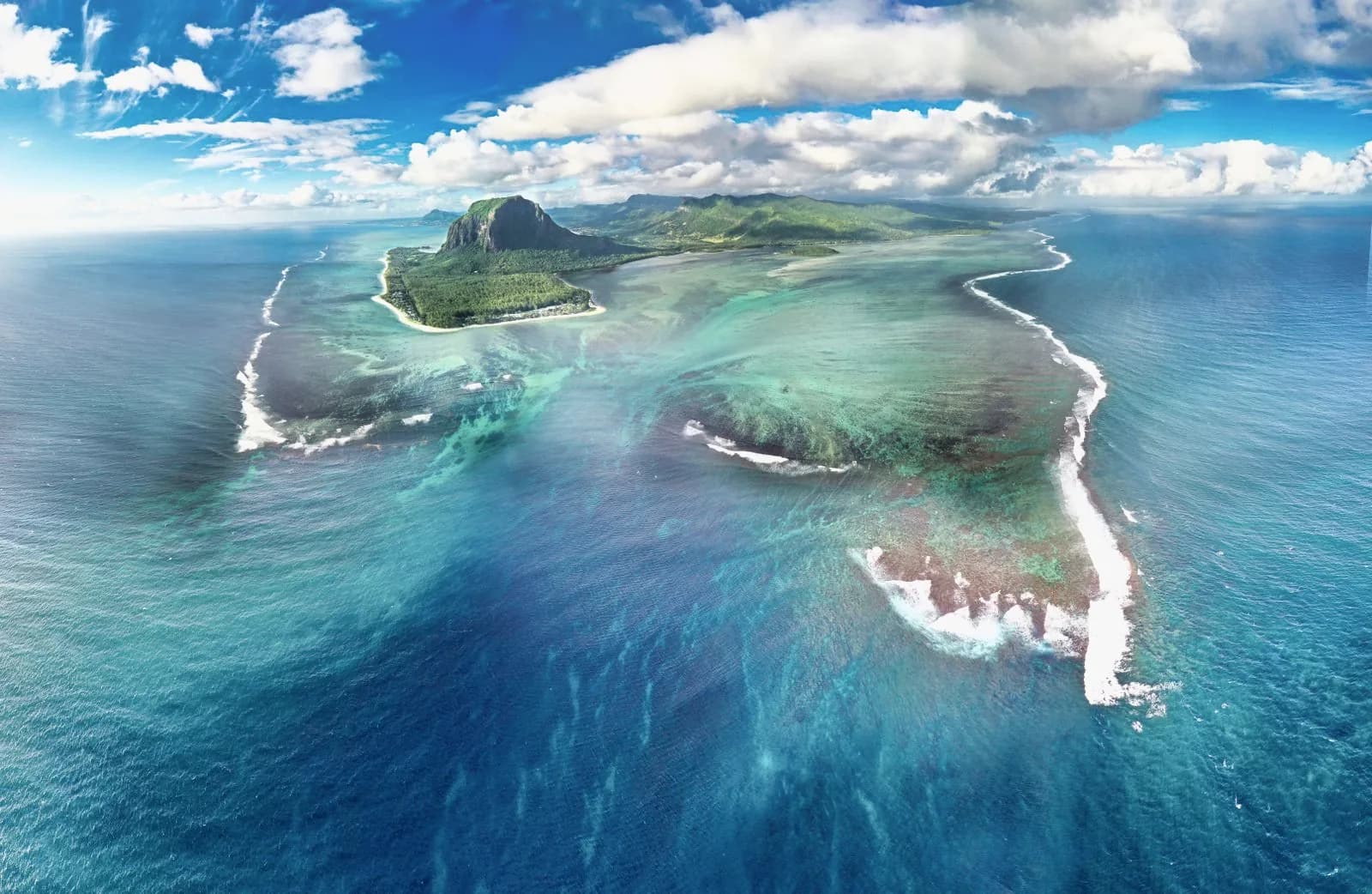
Why UNESCO Protects Le Morne
Le Morne is protected because it is an exceptional testimony to maroonage and resistance to slavery. The mountain's form, isolation, difficult access, and oral traditions make it one of the clearest cultural landscapes connected to that history.
The UNESCO listing recognizes both physical and symbolic value. The mountain matters as a refuge, as evidence, and as a memory site for communities far beyond the southwest of Mauritius.
What A Cultural Landscape Means Here
A cultural landscape is not only scenery. At Le Morne, nature and human history cannot be separated: cliffs, caves, foothills, coast, lagoon, settlement traces, villages, oral stories, and spiritual memory all work together.
This is why visitor behavior matters. A path, a cross, a plant, an old settlement area, or a quiet village edge may be part of the heritage value rather than background decoration.
How To Visit Respectfully
Stay on the official trail, follow signs, keep noise low, avoid collecting objects, avoid damaging vegetation, and treat memorial spaces with restraint. For a hike, respect the official end point at the metal cross.
Guided visits are strongest when the guide explains heritage responsibly rather than treating the mountain as a simple summit challenge.
Frequently Asked Questions
When was Le Morne listed by UNESCO?
UNESCO lists Le Morne Cultural Landscape as inscribed in 2008, with a minor boundary modification in 2011.
Is the whole peninsula part of the UNESCO property?
UNESCO distinguishes the property area and a larger buffer zone. The protected values extend into the surrounding setting, so visitors should think beyond the summit alone.
Go from facts to feeling
Read the history page for the human story behind the World Heritage criteria.