A Volcanic Island Story
Mauritius is volcanic in origin, and Le Morne's form belongs to that larger island story. The mountain's steep sides, rock faces, and isolated profile make it feel like a natural fortress at the edge of the lagoon.
The official heritage site describes Le Morne's geology in relation to older volcanic formations and highlights the mountain's shelters and rugged topography. For visitors, the most important idea is simple: geology shaped both the view and the history.
Why The Mountain Looks So Dramatic
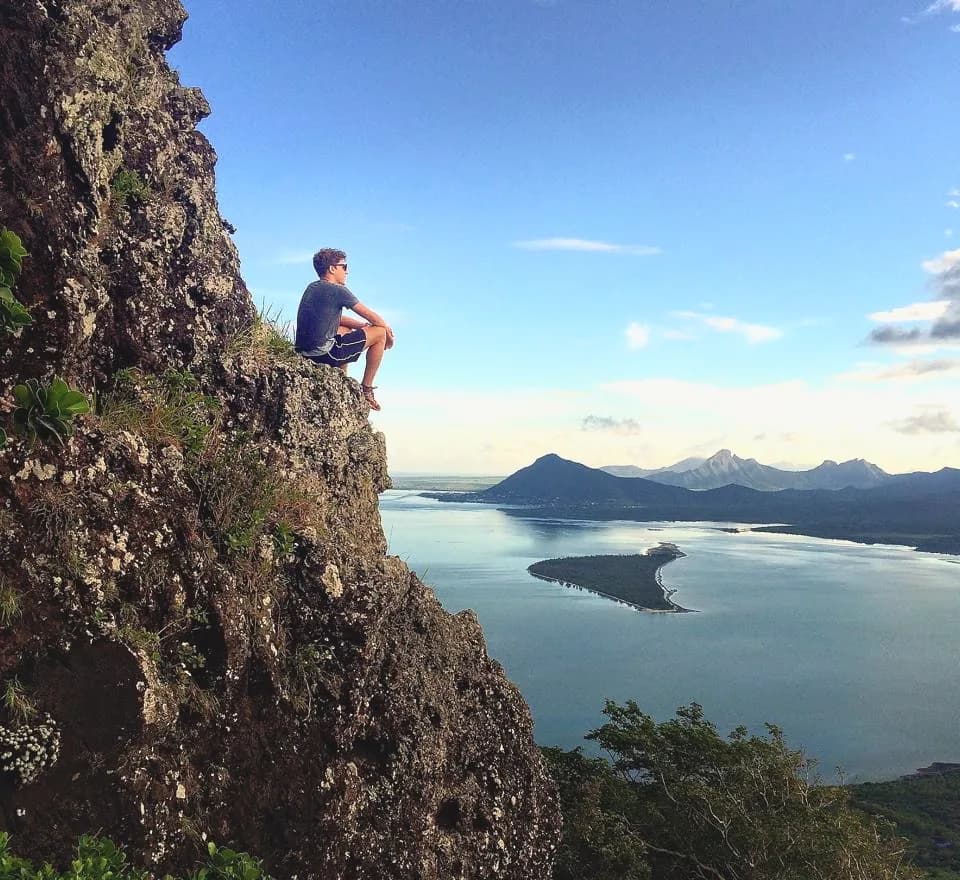
From the coast, Le Morne appears as a huge block rising directly from the peninsula. The steep cliffs, weathered rock, and green slopes create the iconic silhouette seen from beaches, lagoons, roads, and hiking viewpoints.
Those same features also explain why the mountain could become a refuge. Difficult access was not incidental. It was part of the mountain's historic role.
Geology And The Hike
The upper hiking section runs through terrain affected by loose rock, steepness, and water movement during rainfall. That is why wet weather and strong wind change the route so dramatically.
A geology page can therefore support the safety content. The rock is not only beautiful; it sets the conditions hikers must respect.
Frequently Asked Questions
Is Le Morne a volcano?
Le Morne is part of Mauritius' volcanic landscape, but visitors experience it today as an eroded basalt mountain rather than an active volcano.
Why are there caves and shelters?
The rugged volcanic rock, erosion, overhangs, and steep slopes create natural shelters that are important in the history and interpretation of the site.
See how nature and memory connect
The biodiversity guide explains why the mountain is also ecologically sensitive.